CAMERA 2
Rose


Solemare Sardegna Charter
© Solemare Società Cooperativa | Vico I Roma n.1 Soleminis CA | Marina di Villasimius | 04207310923
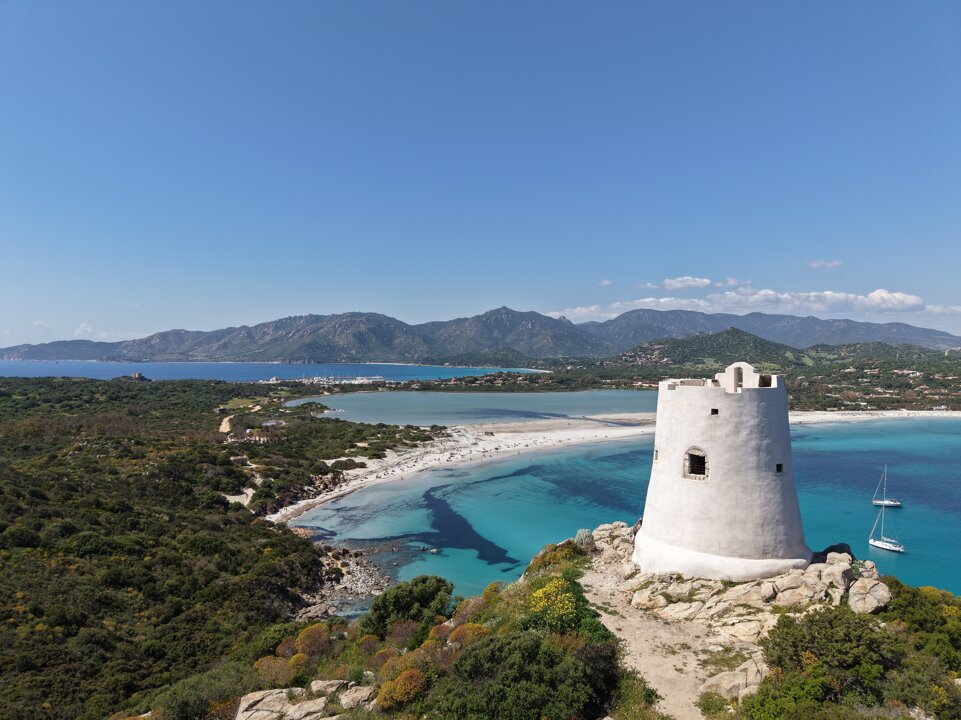
Capo Carbonara - Villasimius, Sardegna
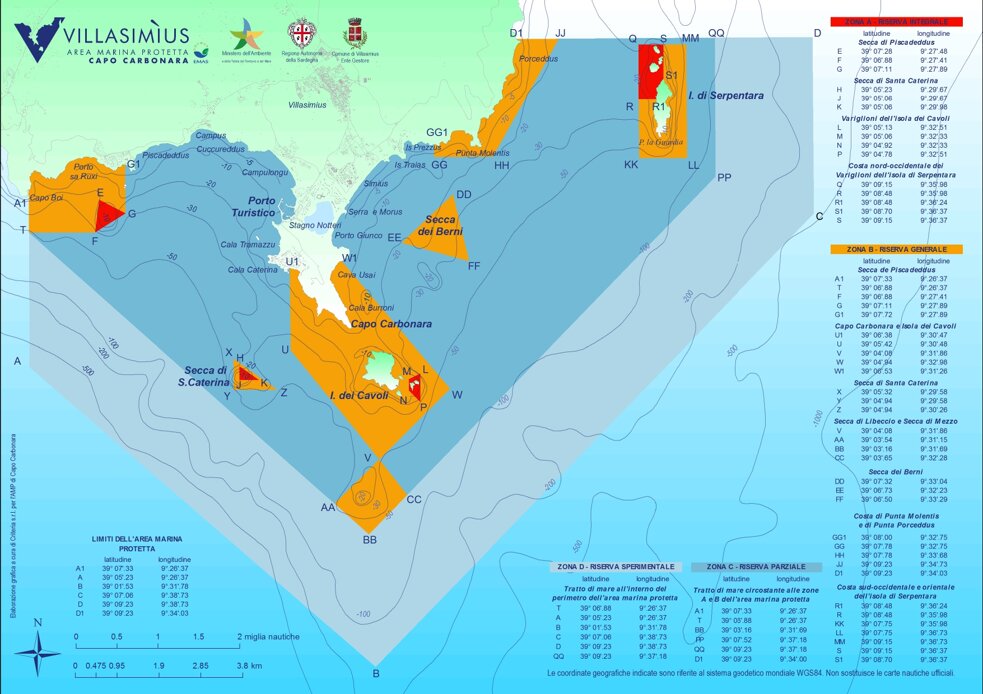
The Capo Carbonara Marine Protected Area (AMPCC) is located in the south-east part of Sardinia and was established by Decree of the Ministry of the Environment in 1998, later amended in 1999 and completely replaced in 2012. Covering an area of about 14,360 hectares, the AMPCC is the third largest marine area in Sardinia and is divided into four levels of protection: zone A (integral reserve), zone B (general reserve), zone C (partial reserve), and D (experimental reserve).
The territory of the Capo Carbonara Marine Protected Area extends from Cala Pisano to Punta Is Proceddus and includes the stretch of sea surrounding the islands of Serpentara and Cavoli, as well as numerous smaller rocks such as Congresso, Proci, Santo Stefano, and Variglioni, and several shoals such as Ancore, Berni, Dotti, Libeccio, Mezzo, Piscaddedus, and Santa Caterina.
ZONE
For proper environmental protection, Marine Protected Areas are divided into three distinct zones with different levels of protection which, although not imposing an absolute limit on traditional sea-related activities, regulate their implementation according to different conservation needs.
The Capo Carbonara Marine Protected Area has introduced a fourth Zone; Zone D is a new area called the “Experimental Reserve,” consisting of a two-mile-wide buffer strip. The aim is to ensure maximum protection of the areas with the highest environmental value that fall within the fully protected reserve zones (Zone A), by applying the restrictions established by law. With Zones B, C, and D, the goal is to ensure a gradual level of protection, combining the conservation of environmental values with the enjoyment and sustainable use of the marine environment.
The four types of zones are defined by geographic coordinates and shown on the maps attached to the establishing Decree published in the Official Gazette. In addition, the boundaries of Zone A are marked by yellow buoys at sea and yellow posts on land, equipped with night lights.
- Zone A, fully protected reserve, is off-limits to all activities that could cause harm or disturbance to the marine environment. Zone A is the true heart of the reserve. In this area, which is limited in size, generally only scientific research and authorized service activities are permitted.
- Zone B, general reserve, a range of activities are permitted and regulated by the management body, which, while allowing enjoyment of the environment, have the least possible impact.
- Zone C, partial reserve, the management body permits and regulates activities for the enjoyment and sustainable use of the sea with minimal environmental impact. This zone represents the buffer area between the zones of highest natural value and the areas outside the marine protected area.
- Zone D, Experimental Reserve, extends the distance from the coast by two miles, creating an additional buffer zone and adding an important element of protection.
Live unique experiences in AMP
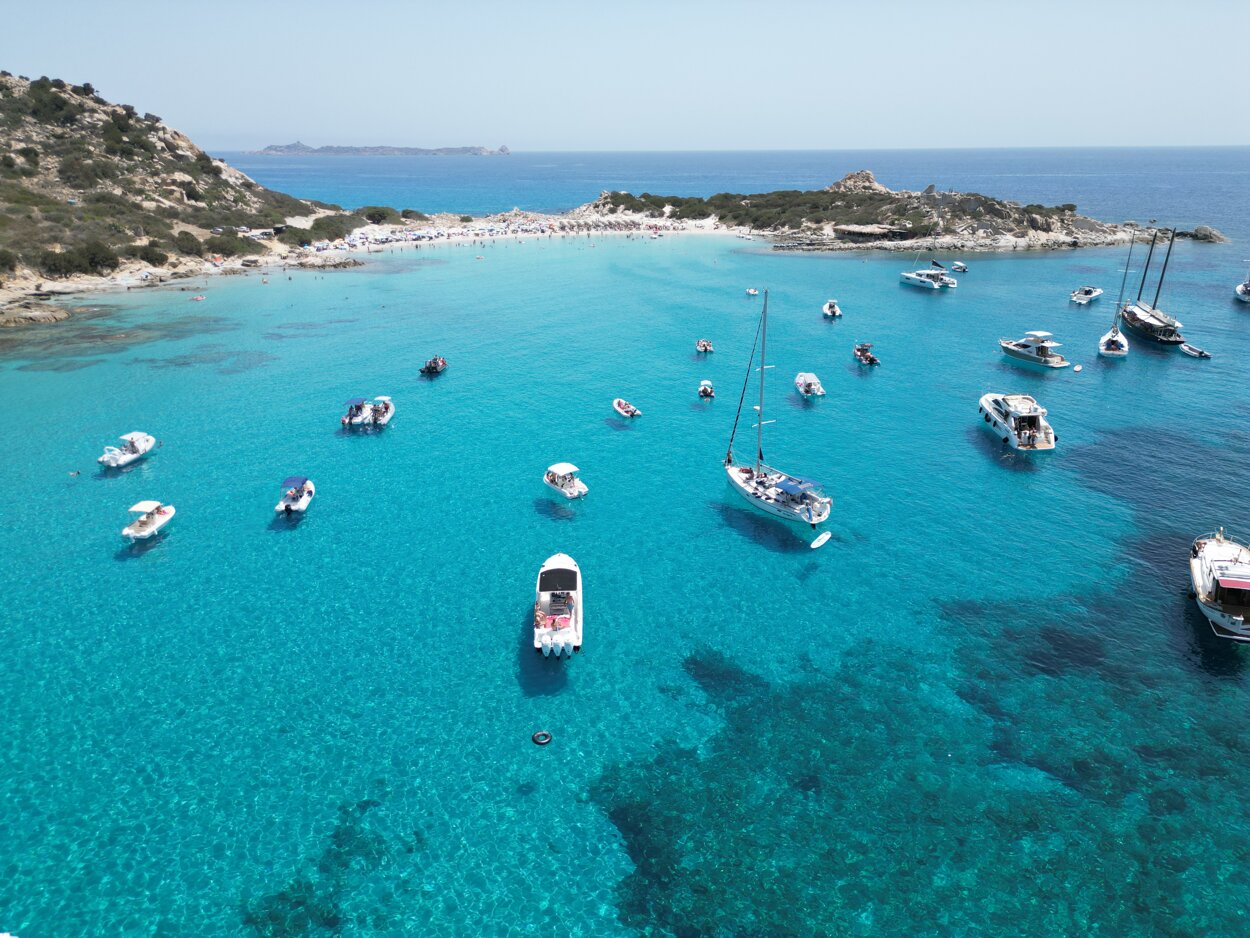
The beautiful rocks found on the beaches, the vast meadows of Posidonia oceanica, and the widespread marine bioclastic sediments give Capo Carbonara a terrestrial and marine landscape of extremely high environmental value. And it is for this great value that the MPA has also been recognized as a SPAMI (Specially Protected Area of Mediterranean Importance) under the Barcelona Convention for the protection of the Mediterranean Sea against pollution risks.
Its perimeter also almost entirely coincides with the Site of Community Importance Isola dei Cavoli, Serpentara, Punta Molentis, and Campulongu established under the Habitats Directive 92/43/EEC, and there are several Special Protection Areas (SPAs) established under the Birds Directive 79/409/EEC.